
 pl
pl de
de en
en it
it es
es fr
fr nl
nl My account







 +48 68 888 02 33

Wooden Worktops
What Are Wooden Worktops?
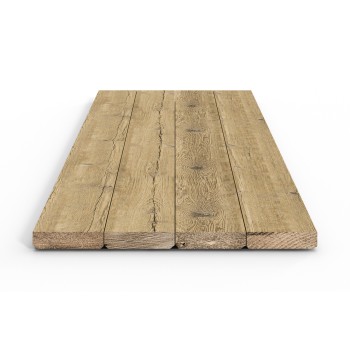
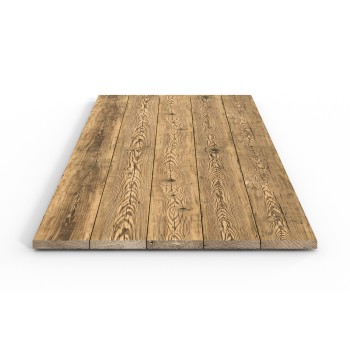
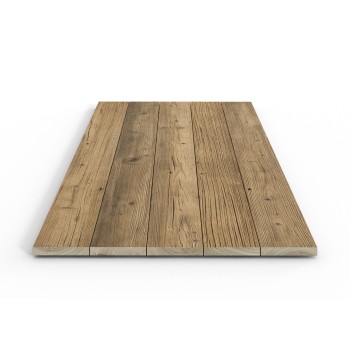
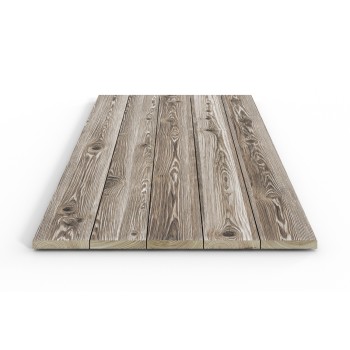
Wooden worktops are a versatile solution that combines the durability of natural wood with the flexibility to suit different styles and applications. They can be used as table tops, kitchen islands, desks or elements of custom-built furniture, while made-to-measure production allows them to be adapted to a specific project. Depending on the type of wood and how it has been prepared, a worktop can have a classic, rustic, loft or industrial character. Particularly distinctive are worktops made from old timber, whose natural structure, grain and visible signs of age give each piece its own individual character.
Benefits of Solid Wood Worktops
Solid wood worktops are a durable and timeless solution that works well both indoors, in residential and commercial spaces, and outdoors in gardens and other external areas. Solid wood is a completely natural material made from solid timber, without layers of engineered wood or wood-based boards.
Unlike furniture boards, solid wood does not require artificial binders or adhesives between layers, making it a natural material that is pleasant to the touch. Solid wood worktops can also be highly resistant to moisture when properly finished and maintained, while their surface can be renovated several times. They can be sanded, oiled or varnished to restore their appearance even after many years of use.
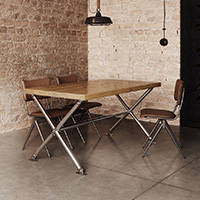
The natural structure of wood, visible grain and varied colouring give every worktop an individual character. Wood also combines well with other materials, so a wooden worktop can be paired with a wooden base or a metal frame to create a loft or industrial-style piece of furniture.
Wooden Worktops for Every Room
Wooden worktops can be used in many different ways, both indoors and outdoors. Made-to-measure production allows the worktop to be adapted to a specific piece of furniture, available space and intended use. Depending on the type of wood and finish selected, it can become part of a modern kitchen, a classic dining table in the living room or a solid garden table.
Wooden Garden Table
If you want to create a solid and attractive space for spending time together on a terrace, patio or in the garden, a wooden worktop can be used to create a custom garden table. Thicker and more substantial options are particularly well suited to outdoor furniture, including worktops made from old timber beams and 50 mm thick Madrier worktops. Their natural structure works particularly well with garden plants and other decorative elements.
Wooden Kitchen Worktops
Wooden kitchen worktops are a practical choice for anyone looking to introduce a natural material and a warm character into their kitchen. Made-to-measure production means they can be used as a kitchen work surface, dining table top, kitchen island worktop or part of a larger built-in installation. The natural grain of wood works well with both light, classic cabinetry and modern loft or industrial-style furniture.
Depending on the desired appearance and characteristics, different types of timber can be considered for a kitchen project. Oak worktops are a popular choice for their distinctive grain and durability, while walnut worktops can provide a darker and more expressive appearance.
Wooden Table Tops
Blat drewniany na stół do salonu może stać się centralnym elementem całej aranżacji. Modele klasyczne i Premium pasują do ponadczasowych, eleganckich wnętrz, natomiast blaty ze starego drewna pozwalają stworzyć bardziej wyrazisty stół rustykalny, loftowy lub industrialny. Różnice w usłojeniu, kolorystyce i strukturze sprawiają, że każdy blat ma indywidualny charakter i może zostać dopasowany do konkretnego stelaża oraz wymiarów pomieszczenia.
Blat drewniany na stół ogrodowy
A wooden table top can become the central element of an entire interior design. Classic and Premium models suit timeless and elegant interiors, while worktops made from old timber can be used to create a more distinctive rustic, loft or industrial-style table. Differences in grain, colour and surface structure mean that every worktop has an individual character and can be matched to a specific frame and the dimensions of the room.
Which Type of Wood Is Best for a Wooden Worktop?
Many different types of wood are used in furniture making, and the right choice depends on the intended use, expected durability and desired appearance. Common options include oak, beech, ash, pine and spruce. Different species vary in hardness, grain pattern, colour and the way they change over time. Oak worktops are known for their durability and distinctive grain, while walnut worktops are valued for their darker colour and expressive appearance.
Our range primarily uses timber sourced from the dismantling of old buildings and structures, mainly pine, spruce and fir. This is wood that has been exposed to sunlight, rain, frost and wind for decades. This long natural seasoning process gives it a distinctive structure, depth of colour and pronounced grain that cannot be achieved in the same way with freshly cut timber.
Natural cracks, colour variations, irregularities and traces of previous processing remain visible on the surface, giving each worktop an individual character. Long-term natural seasoning also has practical benefits. Over time, timber loses excess moisture and becomes more stable, which means it is less prone to cracking or twisting than fresh, moisture-rich boards. Importantly, after such a long period, the timber is also free from excess resin, reducing the risk of resin-related marks or stains on the surface of a wooden table.
How to Maintain Wooden Worktops
Like other natural materials, wooden worktops require appropriate care to retain their appearance and functional properties for many years. The maintenance method depends primarily on the type of finish applied to the surface. For everyday cleaning, wipe the surface with a soft, slightly damp cloth and remove any excess moisture afterwards. Avoid leaving water on the surface for prolonged periods and do not use harsh detergents.
An important part of maintaining wooden worktops is periodically refreshing the surface with a suitable wood oil. This helps protect the material while enhancing its natural grain and colour. If minor scratches or other signs of everyday use appear over time, the surface can be properly prepared and refinished.
After several years, a wooden worktop may show visible signs of use, but these can often be removed relatively easily. Marks left by dishes or minor scratches can be gently sanded with suitable sandpaper, exposing a fresh layer of wood with its natural colour. The restored surface should then be protected again, for example with a suitable natural wood oil or varnish, to restore its protection and appearance.
For wooden worktops used for garden tables, it is also advisable to use suitable exterior wood oils or protective treatments that reduce moisture absorption and protect the timber from rain and changing weather conditions.
Wooden Worktops – Frequently Asked Questions
How do you protect a wooden garden table top from moisture?
A wooden table top intended for outdoor use should be protected with a suitable exterior wood oil, preservative or other treatment designed for outdoor timber. The right product helps reduce moisture absorption and protects the surface from rain and changing weather conditions. Regular maintenance is also important to keep the timber in good condition.
Are wooden worktops suitable for kitchens?
Yes. Wooden worktops can be used in kitchens as work surfaces, kitchen island tops or elements of custom-built furniture. They should be properly finished to protect them from moisture and maintained regularly according to the type of finish applied.
What is the best wood for worktops?
There is no single best type of wood for every worktop. The right choice depends on the intended use, expected durability and desired appearance. Popular options include oak, walnut, beech, ash, pine and spruce. Our range primarily uses pine, spruce and fir sourced from old buildings and structures and naturally seasoned for decades.
Can wooden worktops be cut to size?
Yes. Wooden worktops from Tubefittings.eu are made to order, allowing their dimensions to be adapted to a specific table, kitchen, desk or other project. Made-to-measure production makes it possible to choose the dimensions required for the intended application.
How to protect a wooden worktop from water?
A wooden worktop should be protected with a suitable wood oil, varnish or protective treatment selected according to its intended use and the type of finish. For garden tables and other outdoor applications, use products specifically designed for exterior timber to provide protection against moisture and changing weather conditions.