
 pl
pl de
de en
en it
it es
es fr
fr nl
nl My account



 +48 68 888 02 33

Kee Anchor® Portable Anchor System
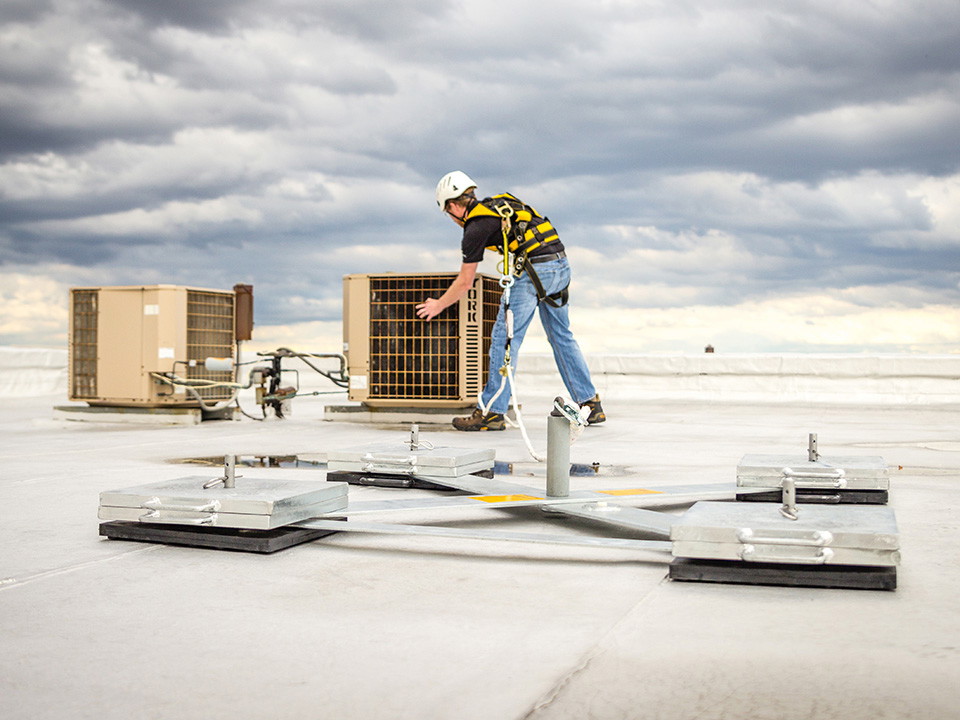
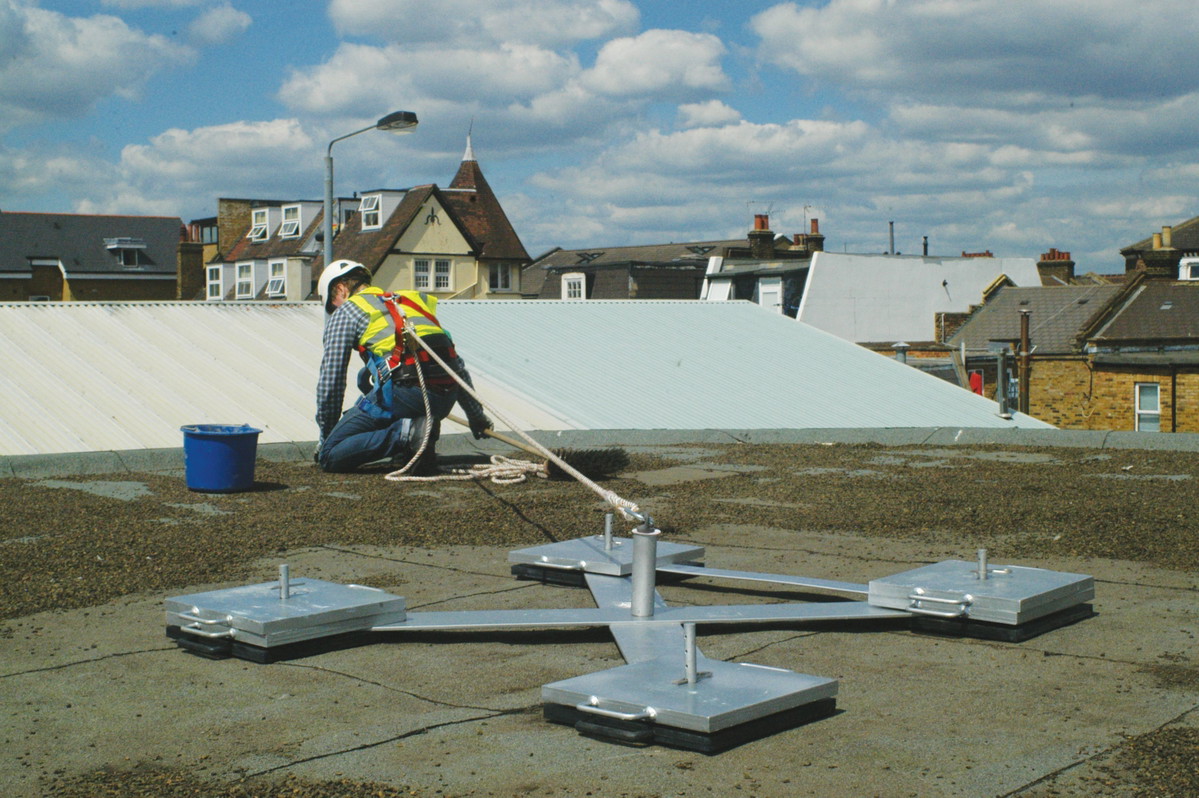
Mobile anchorage point without penetrating the roof coveringKee Anchor® is a mobile, counterweighted anchorage device designed for use on flat roofs with an inclination of up to 5°. The system is suitable for applications where collective protection or permanent anchorage points cannot be installed. The inertial anchorage mass is placed directly on the surface and absorbs energy through friction between the system and the roof surface.
What is the Kee Anchor® system?
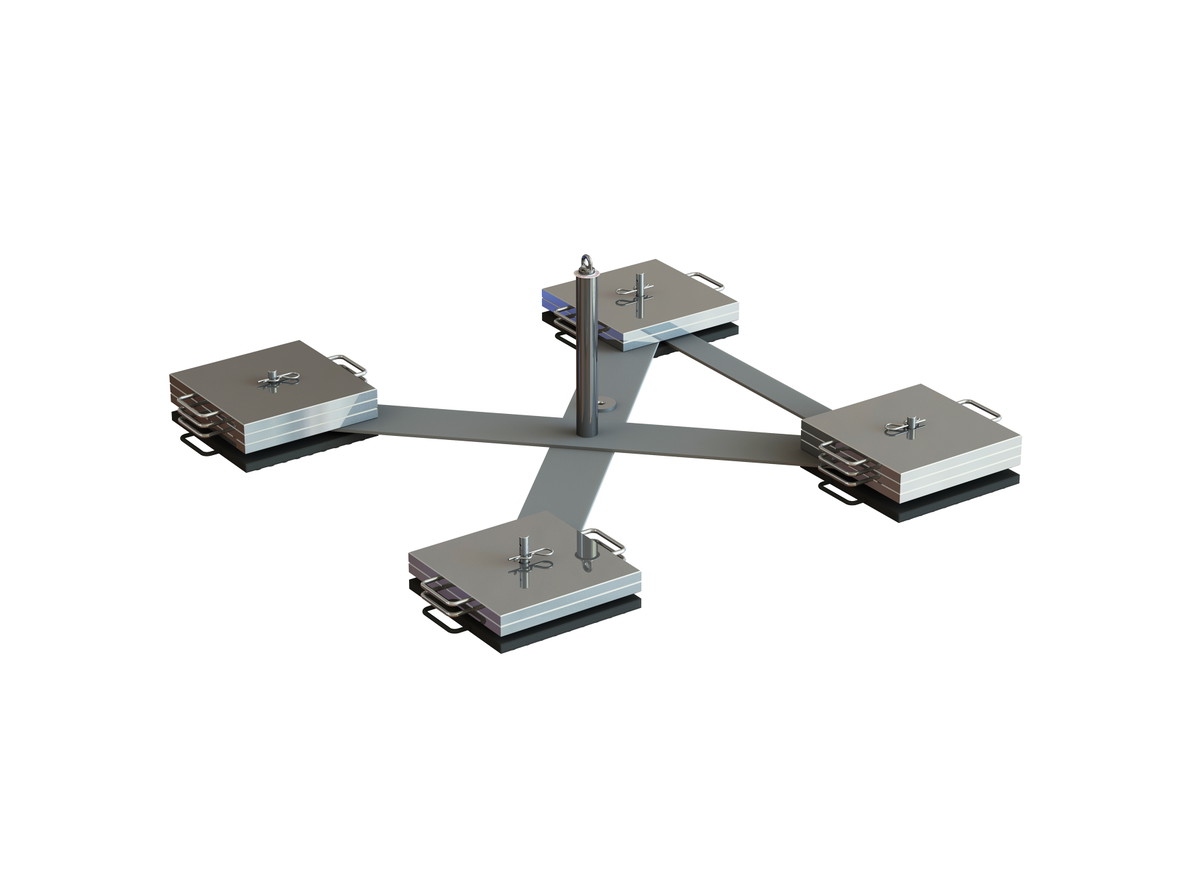
Kee Anchor® is a counterweighted anchorage system designed to provide protection against falls from height. It does not require drilling or permanent attachment to the building structure. The system is positioned directly on the roof surface, while its stability is provided by the appropriate weight and friction between the system and the surface.
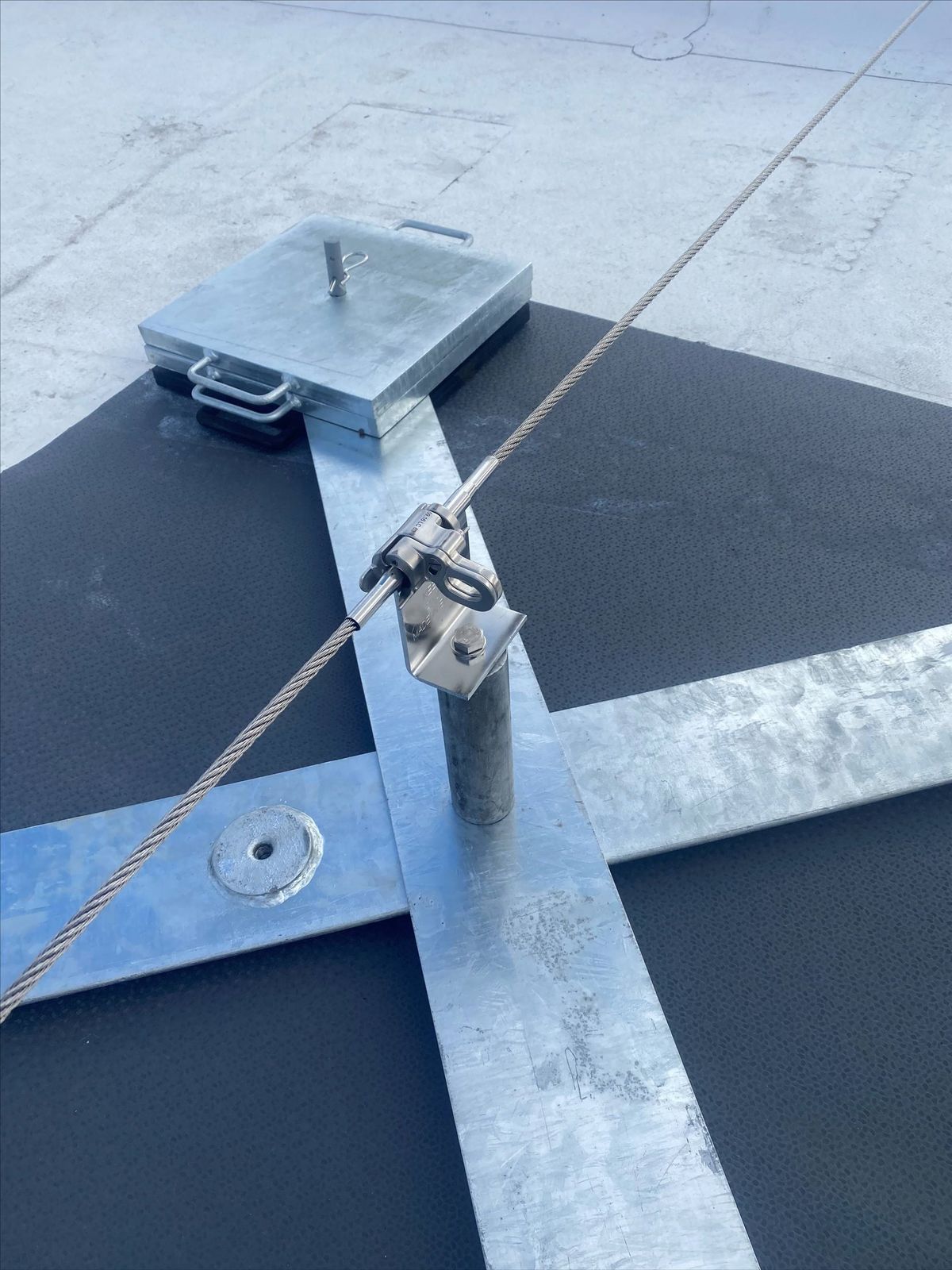
The standard configuration is designed for flat roofs with an inclination of up to 5°. The rubber coating of the weights and more than 100 suction cups increase friction and help limit movement of the system during a fall arrest event.
Kee Anchor® has a modular design, allowing it to be used as a standalone anchorage point or as the base for a horizontal lifeline system Kee Line®. The solution is particularly suitable for temporary, maintenance and emergency work where intervention in the roof covering is not possible or advisable.
Why choose Kee Anchor®?
Kee Anchor® provides a secure anchorage point where permanent protection systems cannot or should not be installed. Its modular, counterweighted design provides flexibility during installation while maintaining compliance with the relevant standards for anchorage devices.

No penetration of the roof covering
The system does not require attachment to structural elements of the building, allowing it to be used on most flat roofs without the risk of damaging the roof covering.

Additional friction with the membrane
The rubber-coated weights are equipped with more than 100 suction cups that increase grip on the roof membrane and help limit system movement during a fall arrest event.

Adaptable configuration
System configurations are available for both flat and pitched roofs with metal profiles and standing seam roofs, with an inclination of up to 15°.

Easy installation
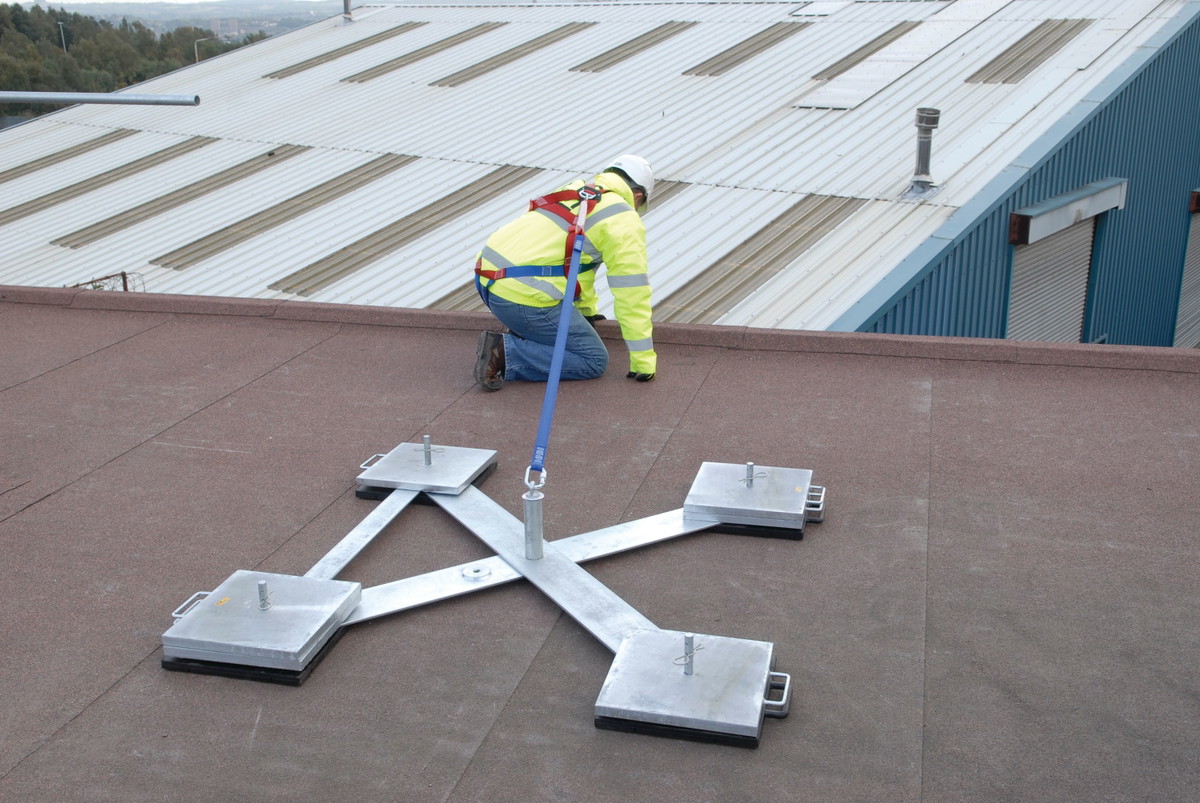
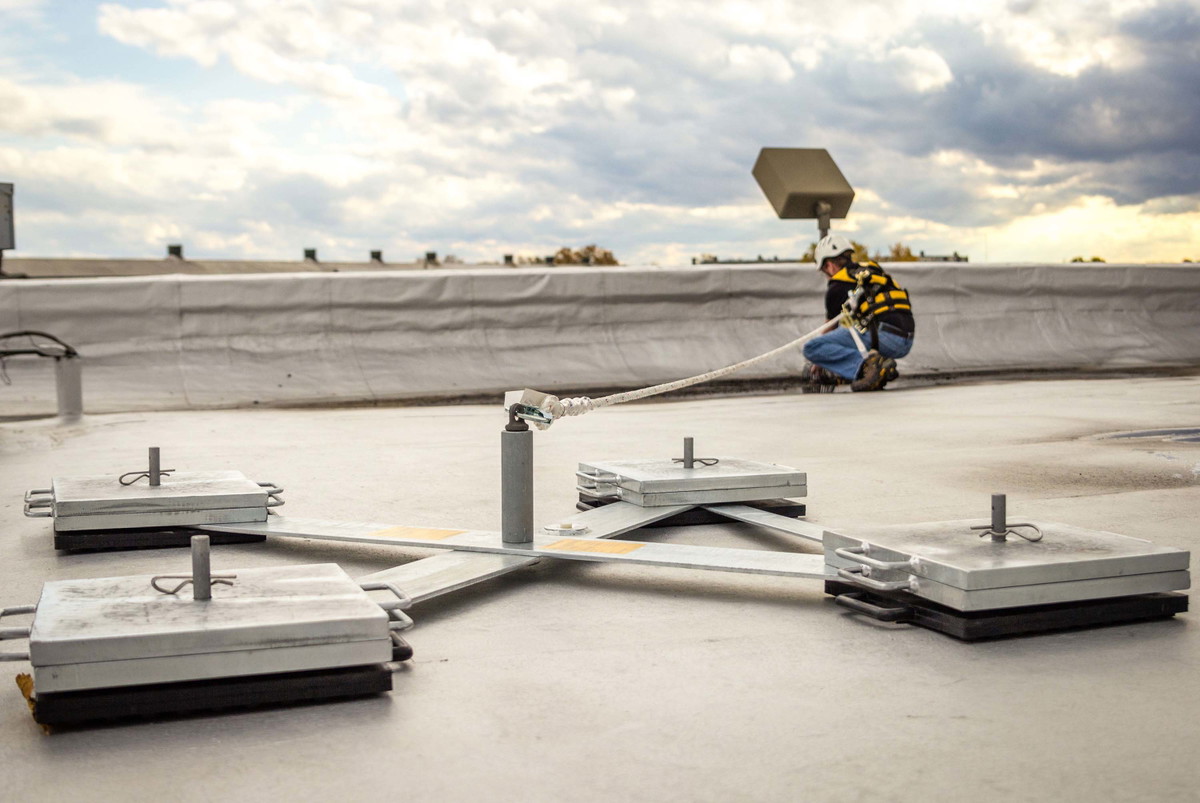
The system can be installed using basic hand tools, without the need to invest in specialist installation equipment.
Installation gallery
Compliance with standards and requirements
Kee Anchor® meets the requirements of European standards relating to anchorage devices for protection against falls from height and quality standards for the galvanizing of steel components.
Frequently asked questions
What types of surfaces can the Kee Anchor® system be used on?
Kee Anchor® is primarily designed for flat roofs with an inclination of up to 5°, without the need for attachment to structural elements of the building. When appropriately configured, the system can also be used on pitched roofs with metal profiles and standing seam roofs, with an inclination of up to 15°.
What are the benefits of the Kee Anchor® system?
The main benefit is that there is no need to penetrate the roof covering or attach the system to the building structure. The system is modular, easy to install using hand tools, fully galvanized and compliant with the relevant standards for anchorage devices. It can also serve as the base for the Kee Line® horizontal lifeline system.
Can Kee Anchor® be used on a wet or slippery surface?
The effectiveness of the system relies on the friction between the counterweight and the roof surface, so the surface conditions of the roof affect the selection of the appropriate configuration. For roofs exposed to moisture or with reduced grip, we recommend contacting our technical department to select the appropriate counterweight configuration and number of anchorage points.
Contact us for a Kee Anchor® quotation
Send us information about the roof — type of covering, inclination, number of required anchorage points and planned scope of work — and our team will prepare an individual quotation and select the appropriate system configuration.
We also provide technical support in determining the number and positioning of counterweights.